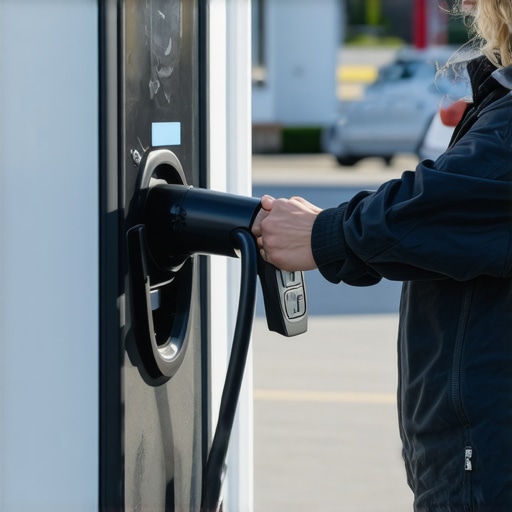

Reliable EV Charger Troubleshooting Tips for Safe Power in 09:47
Ever had your EV charger suddenly stop working just when you needed a quick charge before heading out? I’ve been there. One morning, I plugged in my electric vehicle, expecting it to power up smoothly. Instead, I faced a frustrating silence—no charging, no warning, just a blank screen. That moment was a lightbulb flickering in my mind: troubleshooting isn’t just an option; it’s a necessity for safety and reliability.
Why Getting Troubleshooting Right Matters More Than Ever
Electric vehicle chargers are becoming as common as coffee makers in homes, especially with the push toward greener transportation. But with more chargers, the risk of electrical issues grows—poor connections, outdated wiring, or non-compliance with safety standards can turn a simple charge into a hazard. According to the U.S. Fire Administration, electrical fires caused by improper wiring or faulty chargers are more frequent than you might think. That’s why understanding reliable troubleshooting tips is crucial—not just for your convenience, but for your safety and that of your loved ones.
Have you ever faced a power flicker or a charger refusing to start and wondered if it’s safe to just try again? You’re not alone. Early on, I made the mistake of ignoring warning signs, assuming it was just a glitch. That was a costly lesson. Now, I know better. Proper troubleshooting, following code compliance standards, and knowing when to call in a professional can save you from bigger problems down the line. Want to learn how to troubleshoot effectively and ensure your EV charging setup is safe? Stick around, because I’ll walk you through practical, tried-and-true tips that I’ve personally tested and trusted.What’s Next? Simple Steps to Fix Common Problems
In the upcoming sections, I’ll share my best advice on diagnosing issues, checking your wiring, verifying code compliance, and upgrading your panel if needed. Whether your charger just flickers or refuses to power at all, these tips will help you troubleshoot confidently or know when to call for professional help. Ready to make your EV charging safer and more reliable? Let’s get started and turn that frustrating moment into a manageable fix.
If you’ve experienced similar issues, drop a comment below. I’d love to hear your stories and share more expert advice on maintaining safe, reliable EV charging at home. And if you’re ready for a thorough check-up of your electrical system, don’t hesitate to reach out. Because a little troubleshooting today can prevent big hazards tomorrow.
,
Inspect Your Power Source and Connections
Start by examining your electrical outlet and the connection to your EV charger. I remember a time when my charger kept flickering, and after a quick check, I noticed a loose plug. Firmly reconnecting it fixed the issue instantly. Use a multimeter to verify the outlet is providing consistent voltage—anything below 110 volts can cause charging problems. If the outlet is faulty, consider consulting an electrician to replace or upgrade it, ensuring it complies with local codes. Proper wiring and a stable power source are foundational for safe, reliable charging. For detailed guidance, visit this troubleshooting guide.
Many homeowners and even seasoned electricians hold misconceptions about what it takes to troubleshoot EV chargers effectively. These myths can lead to overlooked safety issues, unnecessary repairs, or even hazardous situations. Let’s dig deeper into some of the most common pitfalls and clarify the nuances that often go unnoticed.
Why Overlooking Code Compliance Can Be Dangerous
One of the biggest misunderstandings is assuming that any wiring or outlet setup will work as long as it powers the charger. However, failing to ensure that your installation complies with local electrical codes can not only void warranties but also pose serious safety risks. For instance, incorrect wiring or outdated panels can cause overcurrent situations, leading to fires or equipment damage. A thorough understanding of code compliance standards is essential for safe and reliable charging.
Are DIY Fixes Enough or Do You Need a Professional?
It’s a common misconception that troubleshooting is a straightforward task anyone can do with minimal knowledge. While some minor checks, like inspecting plugs or resetting breakers, are within reach, complex issues—like wiring faults or panel upgrades—require professional expertise. Attempting to fix these without proper training can lead to safety hazards or code violations. For advanced troubleshooting, consulting an electrician ensures both safety and compliance. Learn more about professional troubleshooting tips.
Beware of the ‘Quick Fix’ Trap
It’s tempting to think that simply unplugging and replugging your charger will resolve all connectivity issues. While this can sometimes work, it often masks underlying problems such as loose wiring, faulty outlets, or outdated panels. Relying solely on quick fixes without identifying the root cause can lead to repeated failures or worse, safety hazards. A comprehensive diagnostic approach is critical—checking wiring integrity, verifying voltage consistency, and ensuring proper panel capacity can save you time and money in the long run.
What Advanced Checks Should I Perform for Reliable Troubleshooting?
Beyond basic inspections, advanced troubleshooting involves measuring voltage levels with a multimeter, inspecting wiring connections for corrosion or damage, and verifying that your electrical panel can handle the load. If your panel is outdated or undersized, it may cause frequent issues with your charger. Upgrading your panel can significantly improve performance and safety. For guidance, review panel upgrade tips. Remember, proper maintenance and adherence to electrical standards are your best defense against future problems.
Have you ever fallen into this trap? Let me know in the comments. If you’re unsure about your setup, don’t hesitate to reach out for expert assistance. Proper troubleshooting today prevents costly repairs and safety hazards tomorrow.
Keeping your EV charger in top shape requires more than just occasional checks; it demands the right tools and a strategic approach to maintenance. Over time, components can degrade or become misaligned, leading to connectivity issues or safety hazards. By investing in the proper equipment and adopting routine practices, you can ensure your charging system remains reliable and safe for years to come.
Invest in a Quality Multimeter for Accurate Diagnostics
Personally, I rely on a high-quality digital multimeter like the Fluke 117. This device provides precise voltage readings and continuity checks, which are essential for diagnosing wiring faults or power inconsistencies. When troubleshooting, I always verify that the outlet and wiring are delivering stable voltage before proceeding with other checks. A reliable multimeter helps prevent misdiagnoses and ensures your troubleshooting efforts are based on accurate data. For more detailed testing procedures, visit this resource.
Use a Thermal Camera to Spot Hidden Heat Issues
In my experience, a thermal imaging camera like the FLIR One Pro has been invaluable for detecting hidden hotspots in wiring and connections. Over time, loose or corroded connections can generate heat, which may not be visible to the naked eye but can cause significant safety risks or damage. Regular thermal scans of your electrical panel and charger connections can catch problems early, saving you costly repairs later. As the trend toward smart home integrations grows, thermal imaging will become an even more integral part of maintenance routines.
Maintain Proper Documentation for Long-Term Performance
Keeping detailed records of your inspections, repairs, and upgrades helps track the health of your electrical system. I use a digital logbook app to record voltage readings, thermal scans, and any issues encountered. This data not only guides future troubleshooting but also provides proof of code compliance if needed. Routine documentation makes it easier to identify patterns and plan timely upgrades, like panel enhancements, which you can explore at this page.
Plan for Panel Upgrades Before Problems Arise
One of the most effective long-term strategies is to upgrade your electrical panel proactively. An outdated or undersized panel can cause frequent issues and safety concerns. I recommend scheduling a panel assessment every few years, especially if you’ve added new circuits or devices. A professional upgrade ensures your system can handle the increasing demands of EV charging and other smart home features. For expert guidance, see this guide.
How do I maintain my EV charging system over time?
Regular inspections, thermal imaging scans, and keeping detailed maintenance logs are key. Also, schedule professional check-ups before issues become serious. Staying ahead with these practices helps ensure your system remains safe, compliant, and efficient for the long haul.
By investing in the right tools and adopting a proactive maintenance plan, you can minimize downtime and extend the lifespan of your EV charger. Remember, safety and reliability go hand in hand—so don’t hesitate to consult professionals for complex issues or upgrades. Ready to take your maintenance routine to the next level? Start with a thermal scan or a detailed voltage check today!
Lessons That Changed My Approach to EV Charger Care
- One of the hardest lessons I learned was that ignoring small warning signs like flickering lights or inconsistent charging can lead to costly repairs or safety hazards. Paying close attention to these signals and addressing them early is crucial.
- I used to think that quick resets or unplugging fixes were enough, but I realized that understanding the root cause—like wiring issues or panel limitations—is essential for true reliability.
- Investing in proper diagnostic tools, such as a quality multimeter or thermal camera, transformed my troubleshooting process. These tools reveal hidden problems that could cause future failures or safety risks.
- Consulting professionals for complex issues taught me that DIY isn’t always safe or compliant. Knowing when to seek expert help saves time and ensures peace of mind.
Tools and Resources That Made a Difference
- Fluke 117 Multimeter: This reliable device provides precise voltage and continuity readings, which are fundamental for accurate diagnostics.
- FLIR One Pro Thermal Camera: Spotting hidden heat issues in wiring or connections helps prevent potential fires and equipment damage.
- Trusted Guides on BrightSpark Electric: The website offers detailed articles on troubleshooting, code compliance, and panel upgrades, which I consult regularly for best practices.
- Professional Electricians: Building a relationship with qualified electricians ensures safe upgrades and repairs when needed, avoiding risky DIY fixes.
This Is Your Moment to Take Control of Your EV Charging
Ensuring your EV charger remains safe and reliable is a journey that benefits from continuous learning and proactive maintenance. With the right knowledge and tools, you can troubleshoot confidently and prevent hazards before they happen. Remember, safety and peace of mind are worth investing in—start today to keep your home and loved ones protected. Are you ready to give your EV charging setup the attention it deserves? Share your experiences or questions below—I’d love to hear from you!
,
Reading through this troubleshooting guide really underscores how important proper electrical maintenance is for EV chargers. A few months ago, I experienced a similar issue where my charger suddenly stopped working. After inspecting the outlet and realizing that the voltage was inconsistent, I decided to upgrade my outlet and refresh my wiring connections. It made a significant difference in avoiding repeated problems and kept my charging process safe and smooth. I particularly appreciate the emphasis on using quality diagnostic tools like a multimeter or thermal camera. These tools haven’t just helped me diagnose issues accurately but also added an extra layer of safety. Have others found thermal imaging to be a game-changer in detecting heat issues before they escalate? I think integrating these tech tools into regular maintenance routines could prevent many hazards associated with faulty wiring or poor connections. What are some practical tips for beginners wanting to start using thermal cameras affordably yet effectively?
I’ve personally found that regular thermal imaging scans, especially in the hotter months, have truly helped me catch potential wiring issues early. Loose or corroded connections can generate heat that, if left unnoticed, might lead to bigger safety concerns or costly repairs. Investing in a good thermal camera like the FLIR One Pro was a game-changer—it’s surprisingly affordable and user-friendly, making it accessible for DIY maintenance routines.
The post makes an excellent point about adhering to code standards and proper diagnostics. For someone just starting, do you recommend any specific techniques or best practices for beginners to effectively interpret thermal images? Also, how often would you suggest doing scans to keep a proactive stance on safety? I’ve noticed that combining thermal imaging with simple voltage checks gives a comprehensive understanding of my system’s health. This proactive approach has definitely provided peace of mind, especially knowing early warning signs can prevent bigger hazards. Would love to hear others’ experiences with integrating these tools into their routine maintenance.